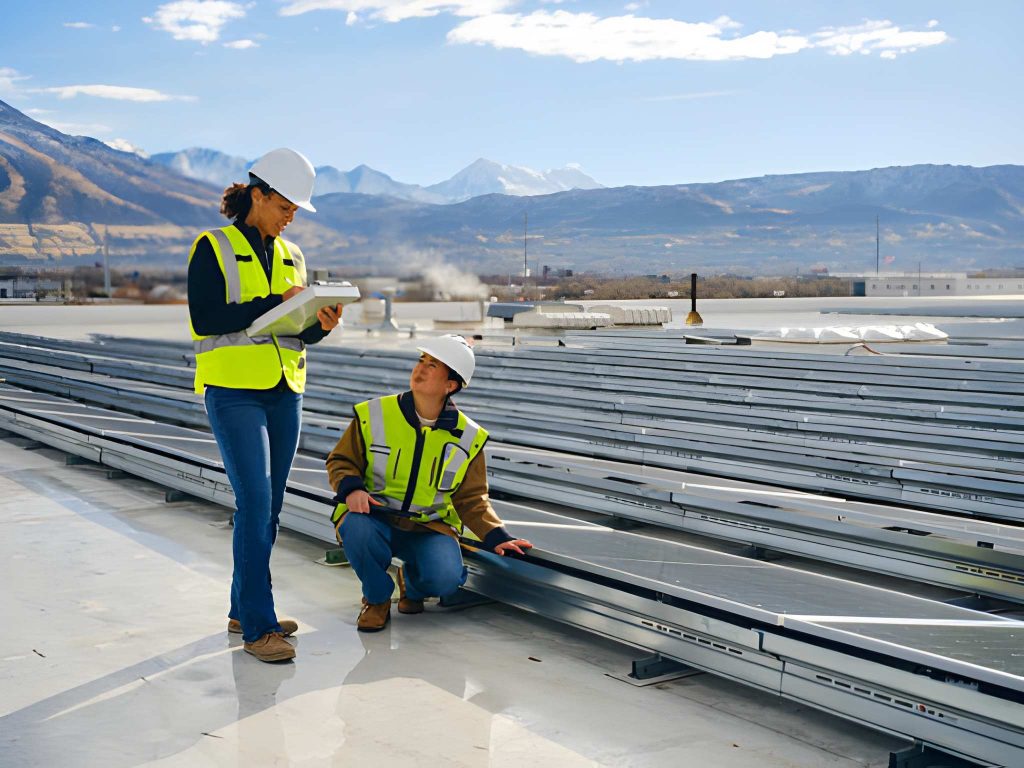
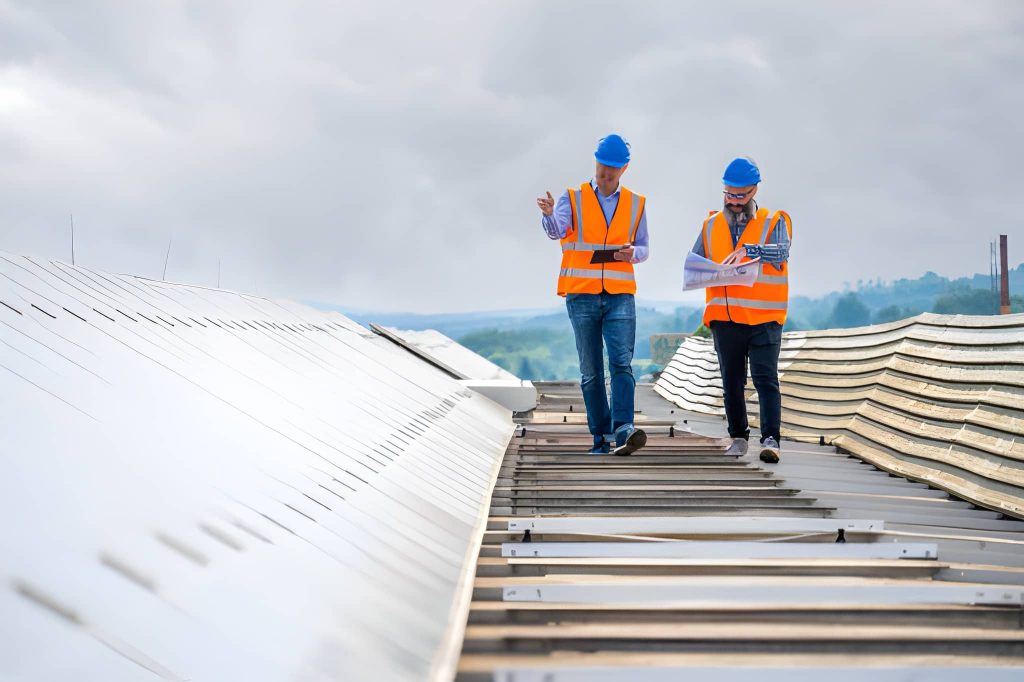
Which Commercial Roofing System Lasts The Longest

R Stevens Commercial Roofing
1312 Pleasant Valley Way, West Orange, NJ 07052

When investing in a commercial roofing system, longevity is one of the most important factors for property owners and facility managers. A long-lasting roof reduces lifecycle costs, minimizes disruptions, and protects your building for decades. However, not all roofing systems are created equal. The lifespan of a commercial roof depends on the material, installation quality, climate, and maintenance.

So, which commercial roofing system lasts the longest? The answer depends on your building’s needs, but several roofing systems consistently stand out for their durability and long-term performance.

What Determines The Lifespan Of A Commercial Roof

Before comparing roofing systems and services, it is important to understand what impacts their lifespan. Even the most durable material can fail prematurely without proper installation or maintenance.

Key factors that influence longevity include:

  • Quality of commercial roofing installation
  • Climate and weather exposure
  • Roof design and drainage
  • Foot traffic and rooftop equipment
  • Maintenance frequency and care

A well-installed and properly maintained roof can significantly outlast its expected lifespan, while poor installation can shorten it dramatically.

Metal Roofing: The Longest Lasting Option

Metal roofing is widely considered the longest-lasting commercial roofing system available. Depending on the type of metal and installation, these roofs can last 40 to 70 years or more.

Metal roofing systems, especially standing seam metal roofs, are highly resistant to extreme weather conditions, including heavy rain, snow, and high winds. They are also fire-resistant and less prone to cracking or shrinking over time.

Another advantage is their low maintenance requirements. While periodic inspections are still necessary, metal roofs generally require fewer repairs compared to other systems.

For large commercial and industrial buildings in New Jersey, metal roofing offers exceptional durability and long-term value, making it one of the best investments for longevity.

Built-Up Roofing (BUR): Proven Long-Term Performance

Built-Up Roofing systems have been used for over a century and are known for their durability. With proper maintenance, BUR roofs can last 20 to 30 years or longer.

The multiple layers of asphalt and reinforcing materials create a thick, protective barrier that provides excellent waterproofing. The top layer of gravel or coating helps protect against UV damage and physical wear.

While BUR systems may not last as long as metal roofs, they offer reliable, long-term performance and are well-suited for flat and low-slope commercial roofs.

PVC Roofing: Durable And Chemical Resistant

PVC roofing is one of the longest-lasting single-ply roofing systems, with a typical lifespan of 20 to 30 years, and sometimes longer with proper maintenance.

PVC is especially durable in environments where chemical exposure is a concern, such as restaurants or manufacturing facilities. It resists grease, oils, and harsh chemicals better than many other materials.

The heat-welded seams create a strong, watertight bond that reduces the risk of leaks. Combined with its durability and energy efficiency, PVC is a top choice for buildings that require both performance and longevity.

EPDM Roofing: Flexible And Long-Lasting

EPDM, often referred to as rubber roofing, is another popular option for commercial buildings. It typically lasts 20 to 30 years, with some systems exceeding that range when properly maintained.

One of EPDM’s biggest advantages is its flexibility. It can expand and contract with temperature changes without cracking, making it ideal for climates like New Jersey.

EPDM is also resistant to UV radiation and weathering, contributing to its long lifespan. While it may not last as long as metal roofing, it remains a cost-effective and reliable option for many commercial properties.

TPO Roofing: Modern And Efficient

TPO roofing has gained popularity in recent years due to its energy efficiency and affordability. While newer compared to other systems, TPO roofs generally last 15 to 25 years.

TPO membranes are resistant to UV rays, punctures, and chemical exposure. Their reflective surface helps reduce heat absorption, which can lower energy costs.

Although TPO may not have the same lifespan as metal or PVC roofing, it offers a strong balance between performance, cost, and durability.

Modified Bitumen Roofing: Strong And Resilient

Modified bitumen roofing systems typically last 20 to 25 years. These systems are designed to improve upon traditional BUR by adding flexibility and strength.

They perform well in areas with fluctuating temperatures and provide good resistance to tears and punctures. With proper maintenance, modified bitumen roofs can offer dependable, long-term protection for commercial buildings.

Spray Polyurethane Foam (SPF): Long Life With Maintenance

SPF roofing systems can last over 30 years when properly maintained. The key to their longevity is regular recoating, which protects the foam from UV damage.

Because SPF is applied as a seamless layer, it eliminates many of the leak risks associated with seams and joints. It also provides excellent insulation, improving energy efficiency.

However, SPF requires consistent maintenance to achieve its full lifespan, making it important to work with an experienced roofing provider.

Comparing Longevity Across Roofing Systems

While all commercial roofing systems offer durability, their lifespans vary:

  • Metal Roofing: 40 to 70+ years
  • SPF Roofing: 30+ years with maintenance
  • BUR Roofing: 20 to 30 years
  • PVC Roofing: 20 to 30 years
  • EPDM Roofing: 20 to 30 years
  • Modified Bitumen: 20 to 25 years
  • TPO Roofing: 15 to 25 years

Among these options, metal roofing clearly stands out as the longest-lasting solution. However, the best choice depends on your building’s specific requirements, budget, and long-term goals.

Choosing The Right Long-Lasting Roof

Longevity is important, but it should be considered alongside other factors such as cost, energy efficiency, and building design.

For example, while metal roofing offers the longest lifespan, it may have a higher upfront cost. On the other hand, systems like EPDM or TPO provide strong performance at a more affordable price point.

Working with a professional commercial roofing contractor ensures that you select a system that balances longevity with your budget and operational needs.

Trust R Stevens Commercial Roofing For Durable Solutions

Choosing a long-lasting commercial roofing system is a smart investment in the future of your building. With the right materials, expert installation, and proper maintenance, your roof can provide decades of reliable protection.

R Stevens Commercial Roofing, located in West Orange, NJ, specializes in high-performance commercial and industrial roofing systems. Our team helps clients select the best roofing solutions based on their goals, ensuring durability, efficiency, and long-term value.

If you are considering a new roof or replacement, contact R Stevens Commercial Roofing today to learn more about the most durable roofing systems for your commercial property.

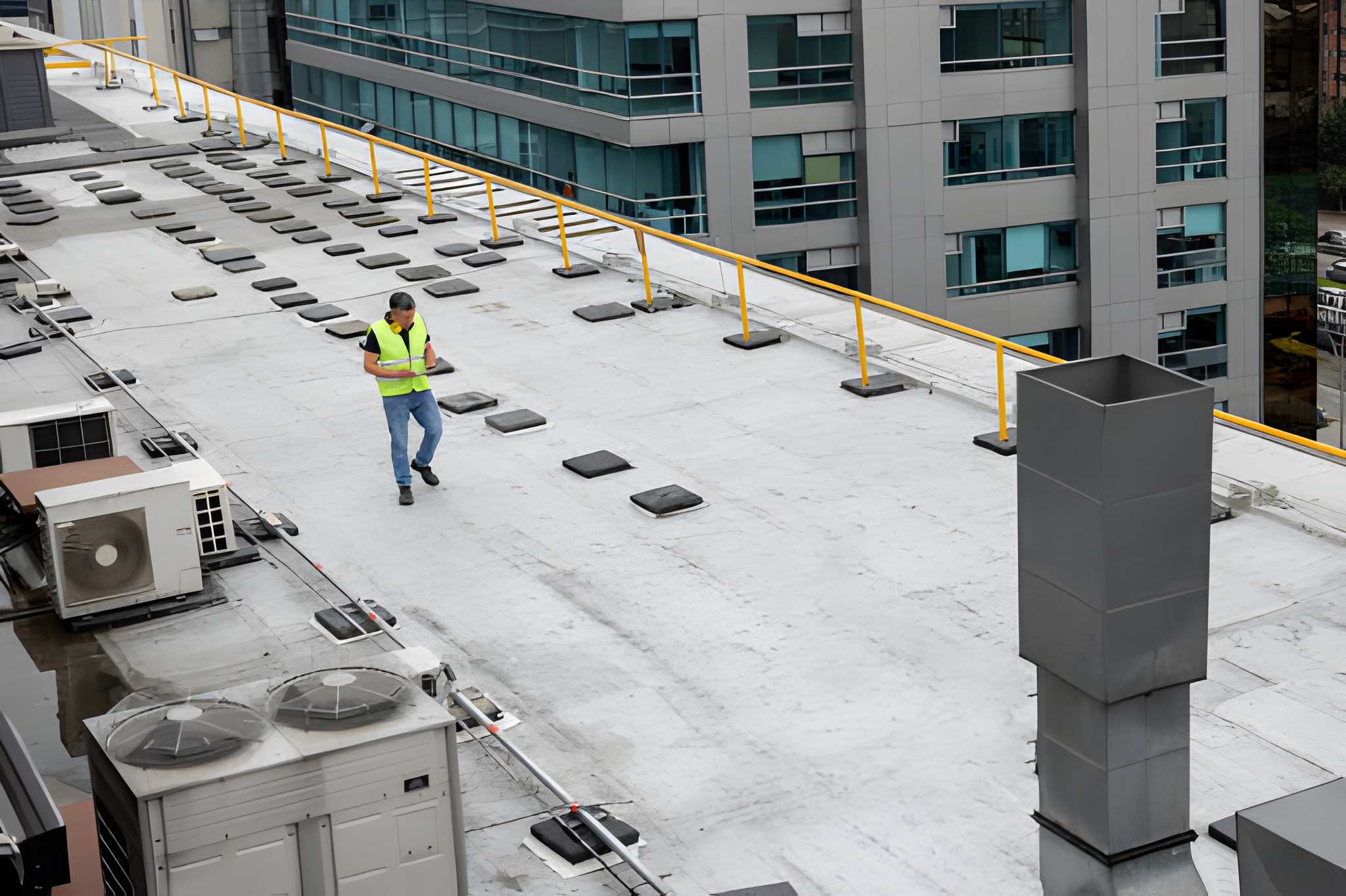
What Type Of Roofing Systems Are Used For Major Buildings

What type of roofing systems are used for major buildings? In this post we will answer your question! Read on to learn more or contact our commercial and industrial roofing company today!

The Roofing System You Choose Is Very Important!

When it comes to major buildings such as warehouses, office complexes, retail centers, and industrial facilities, the roofing system plays a critical role in protecting the structure, improving energy efficiency, and supporting long-term performance. Unlike residential roofs, commercial and industrial buildings require specialized roofing systems designed to handle large surface areas, heavy equipment, and varying environmental conditions.

Understanding the different types of roofing systems used for major buildings can help property owners and facility managers make informed decisions when installing, replacing, or maintaining a commercial roof.

Built-Up Roofing (BUR) Systems

Built-Up Roofing, commonly referred to as BUR, is one of the oldest and most traditional commercial roofing systems. It consists of multiple layers of bitumen (asphalt or coal tar) combined with reinforcing fabrics to create a durable, waterproof membrane.

BUR systems are often topped with a layer of gravel or a protective coating, which helps shield the roof from UV rays and physical damage.

This type of roofing system is known for its durability and excellent waterproofing capabilities. It is particularly well-suited for flat or low-slope roofs found on large commercial buildings. However, BUR systems can be heavier than other options and may require additional structural support.

Modified Bitumen Roofing

Modified bitumen roofing is an evolution of traditional BUR systems. It combines asphalt with modifiers such as rubber or plastic to enhance flexibility and performance.

This roofing system is typically installed in layers and can be applied using heat, cold adhesives, or self-adhering sheets. It is designed to withstand temperature fluctuations, making it a reliable option in climates like New Jersey where seasonal changes can be significant.

Modified bitumen roofs are durable, resistant to tears, and provide strong waterproofing. They are commonly used on low-slope commercial roofs and are a popular choice for buildings that require a balance between cost and performance.

EPDM Roofing (Rubber Roofing)

EPDM, or ethylene propylene diene monomer, is a synthetic rubber roofing membrane widely used in commercial applications. It is known for its flexibility, durability, and resistance to extreme weather conditions.

EPDM roofing is typically installed in large sheets, which reduces the number of seams and minimizes the risk of leaks. It performs well in both hot and cold climates and is resistant to UV radiation and ozone exposure.

This type of roofing system is ideal for flat and low-slope roofs and is commonly found on warehouses, office buildings, and industrial facilities. EPDM is also relatively cost-effective and easy to maintain, making it a popular choice for large-scale buildings.

TPO Roofing (Thermoplastic Polyolefin)

TPO roofing has become one of the most popular options for modern commercial buildings. It is a single-ply membrane known for its energy efficiency and strong performance.

TPO roofs are typically white or light-colored, which helps reflect sunlight and reduce heat absorption. This can lead to lower cooling costs, especially in warmer months.

In addition to energy efficiency, TPO offers excellent resistance to UV rays, chemicals, and punctures. The seams are heat-welded, creating a strong, watertight bond.

TPO roofing is commonly used on large commercial buildings due to its balance of affordability, durability, and energy-saving benefits.

PVC Roofing Systems

PVC (polyvinyl chloride) roofing is another single-ply membrane widely used in commercial and industrial settings. It is known for its strength, durability, and resistance to chemicals.

This makes PVC an excellent choice for buildings such as restaurants or manufacturing facilities where grease or chemical exposure is a concern.

PVC roofing membranes are heat-welded, creating highly durable seams that are resistant to leaks. They also offer strong fire resistance and excellent energy efficiency due to their reflective surface.

While PVC roofing can have a higher upfront cost, its longevity and performance often make it a worthwhile investment for major buildings.

Metal Roofing Systems

Metal roofing is a versatile and long-lasting option for commercial buildings. It can be installed in various forms, including standing seam panels, corrugated metal, and metal shingles.

One of the biggest advantages of metal roofing is its durability. It can withstand extreme weather conditions, including heavy rain, snow, and high winds. Metal roofs are also fire-resistant and require relatively low maintenance.

In addition, metal roofing is highly energy-efficient and can be coated with reflective finishes to reduce heat absorption.

This type of roofing system is commonly used on industrial buildings, warehouses, and even modern office complexes.

Spray Polyurethane Foam (SPF) Roofing

Spray Polyurethane Foam roofing is a unique system that involves applying a liquid foam directly onto the roof surface. The foam expands and hardens, creating a seamless, insulating layer.

SPF roofing provides excellent insulation, helping to improve energy efficiency and reduce heating and cooling costs. It also creates a waterproof barrier with no seams, minimizing the risk of leaks.

This system is particularly useful for roofs with irregular shapes or multiple penetrations, as it can conform to almost any surface.

SPF roofing requires proper installation and regular maintenance, including recoating, to ensure long-term performance.

Green Roofing Systems

Green roofing, also known as vegetative roofing, is becoming increasingly popular for large commercial buildings focused on sustainability.

These systems involve installing a layer of vegetation over a waterproof membrane. Green roofs help improve insulation, reduce stormwater runoff, and lower urban heat island effects.

While green roofing systems offer environmental benefits, they require careful planning, structural support, and ongoing maintenance.

They are often used on modern office buildings, urban developments, and environmentally conscious projects.

Choosing The Right Roofing System

Selecting the right roofing system for a major building depends on several factors, including the building’s structure, budget, climate, and intended use.

For example, a warehouse in New Jersey may benefit from a durable and cost-effective EPDM or TPO system, while a restaurant may require the chemical resistance of PVC roofing. Buildings focused on sustainability may opt for metal or green roofing systems.

Working with an experienced commercial roofing contractor ensures that all factors are considered and that the chosen system meets the building’s long-term needs.

Trust R Stevens Commercial Roofing For Expert Solutions

Understanding the different types of roofing systems used for major buildings is essential when planning a new installation or replacement. Each system offers unique benefits, and choosing the right one can significantly impact performance, energy efficiency, and maintenance costs.

R Stevens Commercial Roofing, located in West Orange, NJ, specializes in commercial and industrial roofing solutions tailored to the needs of each client. With expertise in a wide range of roofing systems, our team provides professional guidance, quality installation, and reliable service.

If you are considering a new roofing system for your commercial property, contact R Stevens Commercial Roofing today to learn more about your options and find the best solution for your building.

How Often Should a Commercial Roof Be Inspected? (2026 Guide)

How often should a commercial roof be inspected? In our 2026 guide, we’ll go over everything you need to know.

Commercial roofing systems are critical assets for any facility, and yet they are often overlooked until leaks, drainage issues, or structural wear become expensive problems. Knowing how often a commercial roof should be inspected is essential for extending lifespan, maintaining warranty coverage, avoiding costly emergency repairs, and ensuring uninterrupted business operations.

With roofing materials, coating technologies, and environmental factors evolving every year, 2026 brings new considerations for commercial property owners, facility managers, real estate partners, and industrial operators. This guide explains how frequently commercial roofs should be inspected, what inspections typically include, and why proactive maintenance pays off long-term.

Why Commercial Roof Inspections Matter

Unlike residential roofs, commercial roofing systems face unique stressors. Flat or low-slope configurations increase the risk of ponding water, clogged drainage, membrane separation, and seam failures. Industrial environments introduce chemical exposure and heavy foot traffic, while large footprints create more potential for undetected issues.

Routine inspections can:

  • Identify leaks before they damage interior assets
  • Protect inventory, equipment, and tenants
  • Catch membrane degradation early
  • Prevent storm or winter damage from escalating
  • Maintain manufacturer warranty compliance
  • Support budgeting and capital planning
  • Extend usable lifespan of the roofing system

Commercial roofs are expensive to replace, so strategic inspections help reduce lifecycle costs and prevent premature tear-offs.

How Often Should Commercial Roofs Be Inspected?

The general industry recommendation is twice per year: once in the spring and once in the fall. This biannual approach accounts for seasonal transitions, freeze-thaw cycles, and storm patterns that contribute to roof damage.

However, certain facilities require more frequent inspections based on roof type, operational use, and climate exposure. Factors influencing inspection frequency include:

  • Roofing material (EPDM, TPO, PVC, metal, BUR, coatings, etc.)
  • Building height and wind exposure
  • Foot traffic for HVAC access or maintenance
  • Age of the roofing system
  • Industrial emissions or contaminants
  • Local weather severity
  • Warranty requirements

A building with rooftop HVAC units or industrial equipment may need quarterly inspections, while a modern TPO system on a low-traffic office building may perform well with biannual evaluations.

Seasonal Commercial Roof Inspection Guide

Each season presents different risks for commercial roofs. A structured annual inspection cycle often looks like this:

Spring: Assess winter freeze-thaw damage, sealant cracking, snow load effects, and early leak signs

Summer: Evaluate membrane expansion, UV exposure, drainage issues, and storm impacts

Fall: Inspect for storm season wear, gutter debris, and prepare for winter moisture

Winter: Spot inspections for snow removal needs or leak troubleshooting

Seasonal inspections focus on prevention rather than emergency repair, reducing the likelihood of downtime or tenant disruption.

What Commercial Roof Inspections Typically Include

Post-Storm and Emergency Roof Inspections

Beyond scheduled inspections, commercial roofs should always be inspected after major weather events. Heavy rain, hail, high winds, and hurricanes can cause immediate damage that may not be visible from the ground.

Storm-related issues include:

  • Penetration damage
  • Membrane tears and uplift
  • Wind-driven water infiltration
  • Damage to flashing or coping
  • Gutter or scupper obstructions
  • Loosened rooftop equipment
  • Sealant failure

Insurance claims often depend on fast documentation, making rapid post-storm inspections crucial for property owners and facility managers.

Inspections for Aging Roof Systems

As roofs age, the need for more frequent inspections increases. Older roofs experience weakening membranes, brittle flashings, and loss of insulation efficiency. A roof approaching end-of-life may require quarterly inspection schedules for planning replacement timelines and evaluating roof restoration options such as coatings.

What Commercial Roof Inspections Typically Include

A professional commercial roof inspection evaluates multiple components including:

  • Roof membrane condition
  • Flashings and penetrations
  • Drainage systems (scuppers, gutters, downspouts)
  • Parapet walls and coping stones
  • Sealant and adhesives
  • Roofing seams and terminations
  • Ponding water areas
  • Insulation moisture concerns
  • Perimeter attachment and uplift resistance
  • Roof traffic pathways
  • Rooftop HVAC and mechanical equipment
  • Roof drains and debris accumulation

Advanced inspections may incorporate moisture surveys, infrared scans, or drone imaging depending on facility size and access.

Roof Inspections and Warranty Compliance

Warranty requirements vary by manufacturer, but most commercial roofing warranties mandate regular maintenance and documentation. Skipping inspections can void coverage, leaving property owners responsible for full repair or replacement costs.

Preventive maintenance is not only recommended but often mandatory when warranties are tied to EPDM, TPO, PVC, metal, or coating systems.

The Financial Benefits of Regular Roof Inspections

Commercial roofs represent major capital investments. Routine inspections can extend the lifespan of a roof by as much as 30% compared to roofs that only receive reactive maintenance. Small repairs detected early cost significantly less than structural repairs or emergency replacement triggered by neglect.

Other financial benefits include:

  • Fewer tenant interruptions
  • Reduced interior restoration and mold remediation
  • Lower lifetime energy costs
  • Smoother budgeting for capital improvements
  • Reduced insurance dispute risk

Facility managers responsible for large real estate portfolios often rely on inspection schedules to plan multi-year capital expenditures and avoid unplanned roofing expenses.

When to Request a Professional Inspection

Property owners should schedule inspections when:

  • A new commercial building is purchased or leased
  • A new roofing system is installed
  • A roof is aging past 10–15 years
  • Storm or weather events occur
  • Leaks or water stains are reported
  • HVAC or mechanical work has been completed on the roof

Any rooftop work increases the chance of flashing disruption or membrane punctures, making follow-up inspections important.

Commercial Roofing Inspections in New Jersey

Commercial Roofing Inspections in New Jersey

R Stevens Commercial Roofing Inc provides commercial roof inspections for office buildings, industrial facilities, retail properties, warehouses, manufacturing plants, medical buildings, schools, and multi-unit commercial properties. With decades of experience servicing flat roofing systems throughout New Jersey, the company offers preventive maintenance, leak detection, repairs, coatings, and full replacement solutions.

R Stevens Commercial Roofing Inc is located at 1312 Pleasant Valley Way, West Orange, NJ 07052 and works with property managers, facility directors, and business owners to extend roof lifespan and reduce capital costs through proactive care.

Final Thoughts

In 2026 and beyond, commercial roof inspections remain one of the most valuable preventive maintenance strategies for preserving roofing assets. Twice-per-year inspections are standard, with seasonal, storm-related, and aging roof adjustments tailored to individual facility needs. Routine inspections reduce long-term repair expenses, improve energy performance, and ensure warranty compliance.

Schedule Service & Free Estimate / Inspection

Schedule a FREE estimate or roof inspection by filling out the form below. If you have immediate needs call R Stevens Commercial Roofing Inc at 973-535-6500.

Call Us