
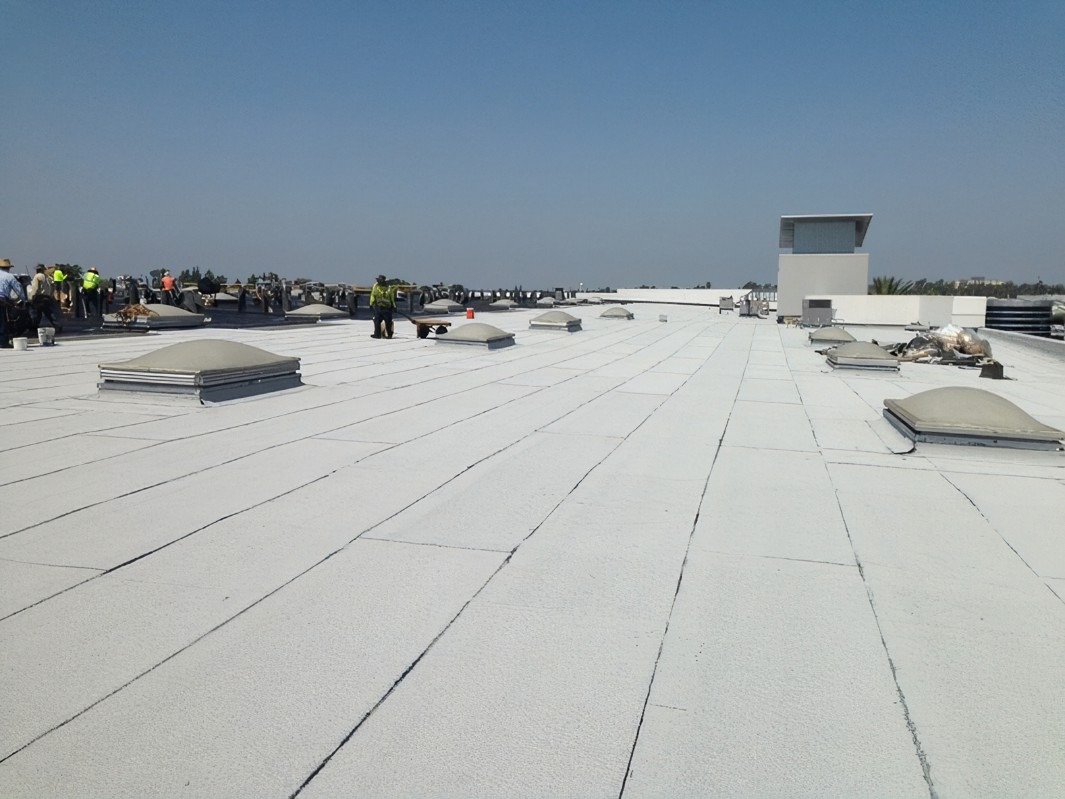
Types of Industrial Roofing Materials and What You Need to Know
Not all roofs are created equal, and industrial roofs in particular face a unique set of challenges. They need to be durable enough to withstand heavy equipment, harsh weather conditions, and even chemical exposure. At the same time, they need to be energy-efficient and cost-effective.
With so many factors to consider, choosing the right roofing material can feel overwhelming. But don’t worry, we’re here to help. Today, we’ll discuss the most common types of industrial roofing materials, their pros and cons, and factors to consider when making your selection.
Common Types of Industrial Roofing Materials
Let’s delve into the world of industrial roofing materials. Each material has its own strengths and weaknesses, making them suitable for different applications:
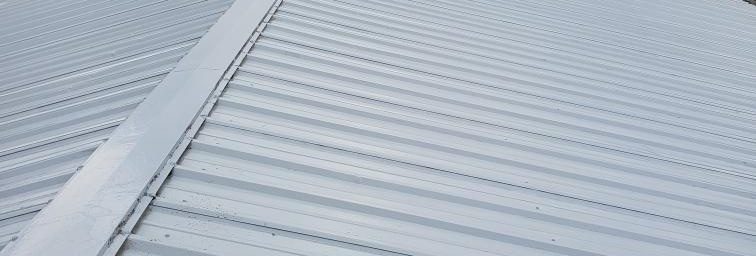
- Metal Roofing: Metal roofs are a popular choice for industrial buildings due to their durability, longevity, and resistance to fire and harsh weather. They come in various materials like steel, aluminum, and copper, offering versatility in style and performance.
- Single-Ply Membranes: These membranes, such as TPO, PVC, and EPDM, provide a seamless, waterproof barrier. They are lightweight, easy to install, and relatively low-maintenance.
- Modified Bitumen: This material combines asphalt with rubber or plastic polymers for enhanced durability and flexibility. It’s suitable for low-slope roofs and offers good resistance to weathering.
- Built-Up Roofing (BUR): BUR systems consist of multiple layers of asphalt and reinforcing fabrics, creating a robust and waterproof roof. While durable, they require skilled installation and periodic maintenance.
- Spray Polyurethane Foam (SPF): SPF is a sprayed-in-place foam that creates a seamless, insulating roof. It adheres well to various substrates and offers excellent energy efficiency.
- Green Roofs: Green roofs involve the installation of vegetation over a waterproofing membrane. They provide numerous benefits, including improved insulation, stormwater management, reduced urban heat island effect, and enhanced aesthetics.
- Clay Tile: While more commonly associated with residential buildings, clay tile is occasionally used in industrial settings where aesthetics and longevity are priorities. It offers excellent fire resistance and durability, though it can be heavy and requires a sturdy roof structure.
- Concrete Tile: Concrete tiles offer a blend of durability and affordability. They can be molded into various shapes and colors, providing versatility in design. They are heavy and require a strong roof structure, but they offer good fire resistance and longevity.
Factors to Consider When Choosing Industrial Roofing Materials
Selecting the perfect roofing material involves weighing various factors specific to your industrial building. These considerations ensure a roof that meets your functional and budgetary needs.
- Climate and Weather: Consider the local climate and weather patterns. Some materials are better suited to handle heavy rain, snow, or extreme temperatures.
- Building Use and Function: The type of industrial activity within the building influences material choice. Chemical exposure, heavy machinery, or foot traffic require specific material properties.
- Roof Slope: The slope of the roof affects drainage and material suitability. Low-slope roofs require materials designed for proper water shedding.
- Energy Efficiency: Energy costs can be a significant expense for industrial facilities. Opt for materials with high reflectivity or insulation properties to reduce energy consumption.
- Longevity and Durability: Consider the lifespan of the roofing material and its ability to withstand wear and tear. A longer-lasting roof can save on replacement costs in the long run.
- Maintenance Requirements: Some materials require more frequent maintenance than others. Factor in the cost and effort associated with upkeep when making your choice.
- Budget: Roofing projects can vary significantly in cost. Establish a budget early in the planning process and explore materials that fit within your financial constraints.
Installation and Maintenance of Industrial Roofing
Proper installation and ongoing maintenance are crucial for the longevity and performance of any industrial roof. Employing experienced professionals ensures the job is done right, maximizing the roof’s lifespan and preventing costly leaks and repairs.
- Professional Installation: Hire qualified roofing contractors specializing in industrial installations. Their expertise ensures proper material handling, adherence to building codes, and optimal performance.
- Regular Inspections: Schedule routine inspections to identify and address any potential issues early on. This proactive approach prevents minor problems from escalating into major repairs.
- Prompt Repairs: Address any leaks or damage promptly to avoid further deterioration and potential interior damage. Timely repairs can save on costly replacements down the line.
- Cleaning and Debris Removal: Keep the roof free of debris, leaves, and other obstructions that can impede drainage and cause damage. Regular cleaning helps maintain the roof’s appearance and functionality.
- Proper Ventilation: Ensure adequate roof ventilation to prevent moisture buildup and potential damage to the roof structure and insulation. Proper ventilation helps regulate temperature and prevents condensation, which can lead to mold and rot.
- Seam and Flashing Maintenance: Pay close attention to the condition of roof seams and flashings, as these are common areas for leaks to develop. Inspect and repair any damaged or deteriorating seams and flashings to prevent water infiltration.
- Coating and Sealant Applications: Consider applying protective coatings or sealants to enhance the roof’s resistance to weather, UV radiation, and other environmental factors. Coatings and sealants can extend the roof’s lifespan and reduce maintenance costs.
- Documentation and Warranty Management: Maintain detailed records of all installations, inspections, repairs, and maintenance activities. This documentation is essential for warranty claims and future reference.
Types of Industrial Roofing Materials
Selecting the ideal roofing material for your industrial facility requires a thorough understanding of the various types available and their distinct characteristics. Factors such as the local climate, intended building use, energy efficiency goals, and budget constraints all play a vital role in determining the most suitable choice. A well-informed decision leads to a roof that offers enduring protection, enhances building performance, and aligns with your financial considerations.
Professional installation and regular maintenance are crucial to ensure the longevity and value of your industrial roof. If you’re contemplating a new roof for your industrial building, reach out, or come see us at our location, 1312 Pleasant Valley Way, West Orange, NJ 07052. We can guide you through assessing your needs, exploring available options, and ultimately making the best decision for your business. With the right roofing material and proper care, your industrial roof will provide reliable service for many years.
