
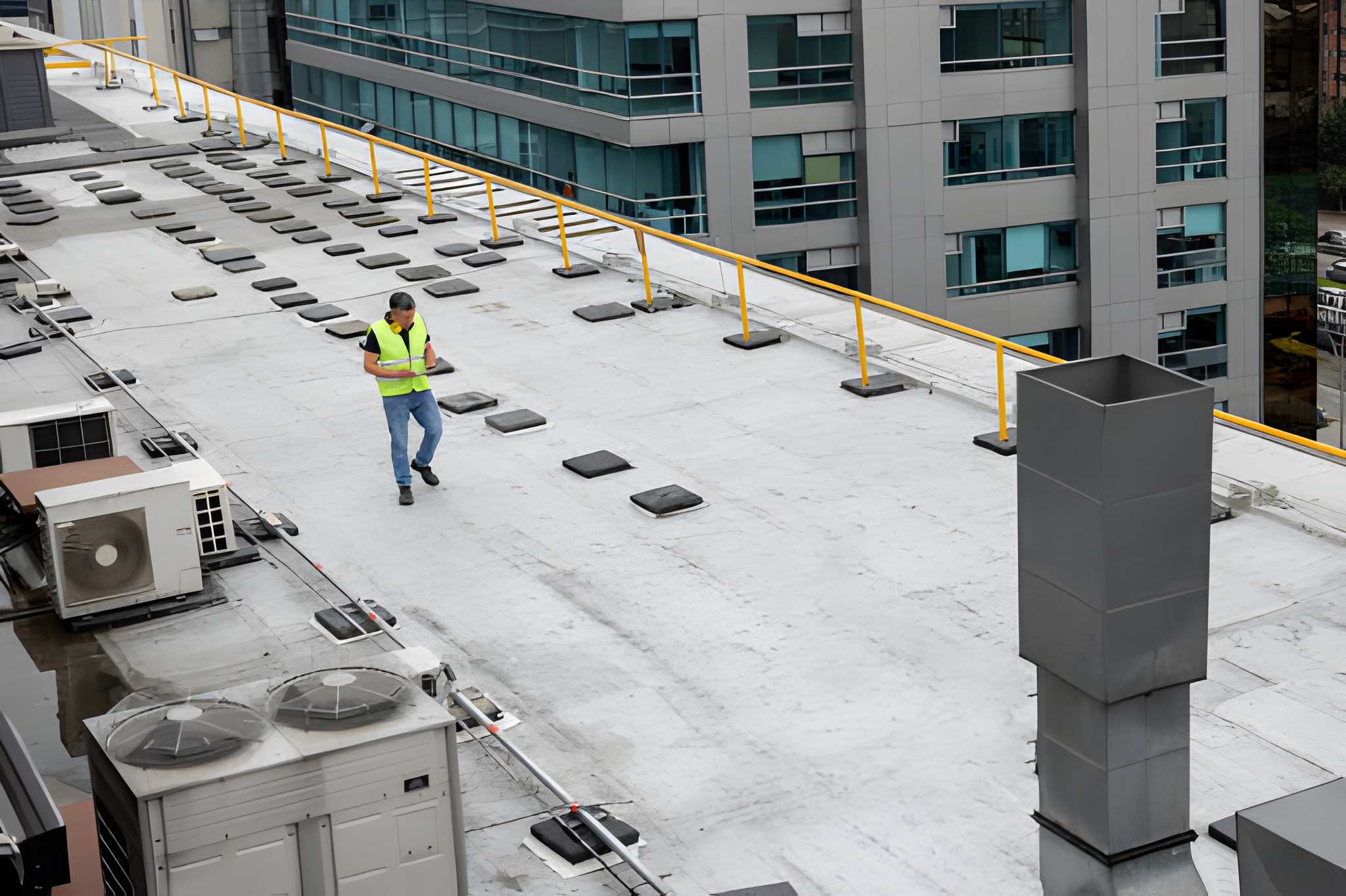
How Often Should a Commercial Roof Be Inspected? (2026 Guide)
How often should a commercial roof be inspected? In our 2026 guide, we’ll go over everything you need to know.
Commercial roofing systems are critical assets for any facility, and yet they are often overlooked until leaks, drainage issues, or structural wear become expensive problems. Knowing how often a commercial roof should be inspected is essential for extending lifespan, maintaining warranty coverage, avoiding costly emergency repairs, and ensuring uninterrupted business operations.
With roofing materials, coating technologies, and environmental factors evolving every year, 2026 brings new considerations for commercial property owners, facility managers, real estate partners, and industrial operators. This guide explains how frequently commercial roofs should be inspected, what inspections typically include, and why proactive maintenance pays off long-term.
Why Commercial Roof Inspections Matter
Unlike residential roofs, commercial roofing systems face unique stressors. Flat or low-slope configurations increase the risk of ponding water, clogged drainage, membrane separation, and seam failures. Industrial environments introduce chemical exposure and heavy foot traffic, while large footprints create more potential for undetected issues.
Routine inspections can:
- Identify leaks before they damage interior assets
- Protect inventory, equipment, and tenants
- Catch membrane degradation early
- Prevent storm or winter damage from escalating
- Maintain manufacturer warranty compliance
- Support budgeting and capital planning
- Extend usable lifespan of the roofing system
Commercial roofs are expensive to replace, so strategic inspections help reduce lifecycle costs and prevent premature tear-offs.
How Often Should Commercial Roofs Be Inspected?
The general industry recommendation is twice per year: once in the spring and once in the fall. This biannual approach accounts for seasonal transitions, freeze-thaw cycles, and storm patterns that contribute to roof damage.
However, certain facilities require more frequent inspections based on roof type, operational use, and climate exposure. Factors influencing inspection frequency include:
- Roofing material (EPDM, TPO, PVC, metal, BUR, coatings, etc.)
- Building height and wind exposure
- Foot traffic for HVAC access or maintenance
- Age of the roofing system
- Industrial emissions or contaminants
- Local weather severity
- Warranty requirements
A building with rooftop HVAC units or industrial equipment may need quarterly inspections, while a modern TPO system on a low-traffic office building may perform well with biannual evaluations.
Seasonal Commercial Roof Inspection Guide
Each season presents different risks for commercial roofs. A structured annual inspection cycle often looks like this:
Spring: Assess winter freeze-thaw damage, sealant cracking, snow load effects, and early leak signs
Summer: Evaluate membrane expansion, UV exposure, drainage issues, and storm impacts
Fall: Inspect for storm season wear, gutter debris, and prepare for winter moisture
Winter: Spot inspections for snow removal needs or leak troubleshooting
Seasonal inspections focus on prevention rather than emergency repair, reducing the likelihood of downtime or tenant disruption.
Post-Storm and Emergency Roof Inspections
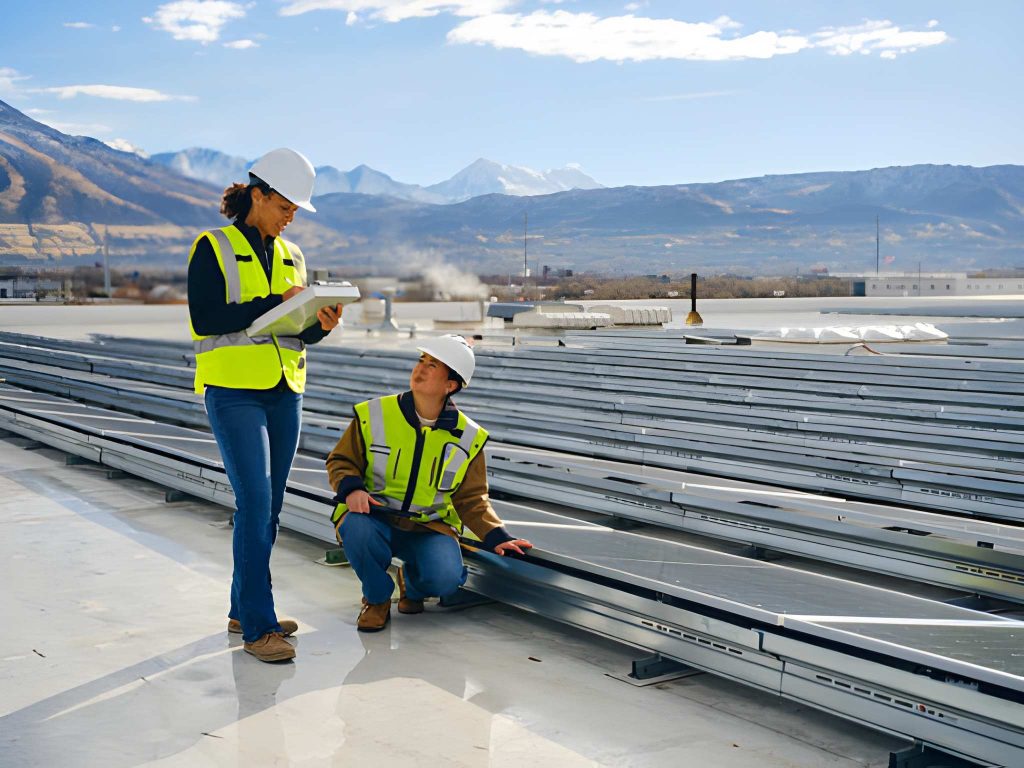
Beyond scheduled inspections, commercial roofs should always be inspected after major weather events. Heavy rain, hail, high winds, and hurricanes can cause immediate damage that may not be visible from the ground.
Storm-related issues include:
- Penetration damage
- Membrane tears and uplift
- Wind-driven water infiltration
- Damage to flashing or coping
- Gutter or scupper obstructions
- Loosened rooftop equipment
- Sealant failure
Insurance claims often depend on fast documentation, making rapid post-storm inspections crucial for property owners and facility managers.
Inspections for Aging Roof Systems
As roofs age, the need for more frequent inspections increases. Older roofs experience weakening membranes, brittle flashings, and loss of insulation efficiency. A roof approaching end-of-life may require quarterly inspection schedules for planning replacement timelines and evaluating roof restoration options such as coatings.
What Commercial Roof Inspections Typically Include
A professional commercial roof inspection evaluates multiple components including:
- Roof membrane condition
- Flashings and penetrations
- Drainage systems (scuppers, gutters, downspouts)
- Parapet walls and coping stones
- Sealant and adhesives
- Roofing seams and terminations
- Ponding water areas
- Insulation moisture concerns
- Perimeter attachment and uplift resistance
- Roof traffic pathways
- Rooftop HVAC and mechanical equipment
- Roof drains and debris accumulation
Advanced inspections may incorporate moisture surveys, infrared scans, or drone imaging depending on facility size and access.
Roof Inspections and Warranty Compliance
Warranty requirements vary by manufacturer, but most commercial roofing warranties mandate regular maintenance and documentation. Skipping inspections can void coverage, leaving property owners responsible for full repair or replacement costs.
Preventive maintenance is not only recommended but often mandatory when warranties are tied to EPDM, TPO, PVC, metal, or coating systems.
The Financial Benefits of Regular Roof Inspections
Commercial roofs represent major capital investments. Routine inspections can extend the lifespan of a roof by as much as 30% compared to roofs that only receive reactive maintenance. Small repairs detected early cost significantly less than structural repairs or emergency replacement triggered by neglect.
Other financial benefits include:
- Fewer tenant interruptions
- Reduced interior restoration and mold remediation
- Lower lifetime energy costs
- Smoother budgeting for capital improvements
- Reduced insurance dispute risk
Facility managers responsible for large real estate portfolios often rely on inspection schedules to plan multi-year capital expenditures and avoid unplanned roofing expenses.
When to Request a Professional Inspection
Property owners should schedule inspections when:
- A new commercial building is purchased or leased
- A new roofing system is installed
- A roof is aging past 10–15 years
- Storm or weather events occur
- Leaks or water stains are reported
- HVAC or mechanical work has been completed on the roof
Any rooftop work increases the chance of flashing disruption or membrane punctures, making follow-up inspections important.
Commercial Roofing Inspections in New Jersey
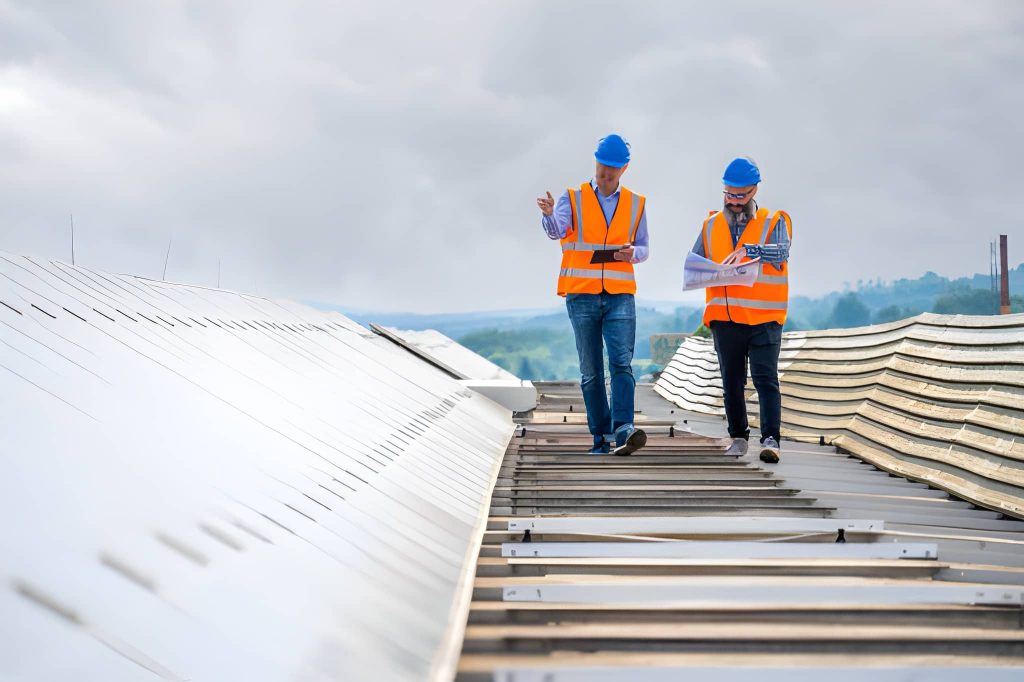
R Stevens Commercial Roofing Inc provides commercial roof inspections for office buildings, industrial facilities, retail properties, warehouses, manufacturing plants, medical buildings, schools, and multi-unit commercial properties. With decades of experience servicing flat roofing systems throughout New Jersey, the company offers preventive maintenance, leak detection, repairs, coatings, and full replacement solutions.
R Stevens Commercial Roofing Inc is located at 1312 Pleasant Valley Way, West Orange, NJ 07052 and works with property managers, facility directors, and business owners to extend roof lifespan and reduce capital costs through proactive care.
Final Thoughts
In 2026 and beyond, commercial roof inspections remain one of the most valuable preventive maintenance strategies for preserving roofing assets. Twice-per-year inspections are standard, with seasonal, storm-related, and aging roof adjustments tailored to individual facility needs. Routine inspections reduce long-term repair expenses, improve energy performance, and ensure warranty compliance.
